How Soon Can You Park on a New Garage Floor Coating?
One of the first questions homeowners ask after getting a new garage floor coating is simple: when can I park on it?
It’s a fair question. Most people want their garage back as soon as possible, especially in Northeast Ohio where parking outside during winter can mean snow, ice, road salt, and wet shoes tracking through the house. The answer depends on the coating system, the condition of the concrete, temperature, humidity, and how the floor is curing.
If you’re planning a garage floor coating in Cleveland, Mentor, Akron, or surrounding areas, it helps to understand the difference between a floor that looks dry and a floor that is ready for vehicle traffic.
Dry and cured are not the same thing
A garage floor coating can look finished before it is ready for normal garage use. That is where homeowners sometimes get into trouble.
When a coating is dry to the touch, the surface may no longer feel sticky. That does not always mean the system has reached the strength needed for vehicle weight, hot tires, turning wheels, toolboxes, or stored equipment. Coatings continue to cure after installation, and that curing process is what allows the floor to develop its long-term durability.
This is also why return-to-service times vary between coating systems. Some fast-curing systems are designed for quicker turnaround, while other multi-layer systems benefit from additional cure time. On our garage floor epoxy coating projects, we explain the timeline clearly so homeowners know when they can walk on the floor, move items back in, and park vehicles safely.
When can you walk on a newly coated garage floor?
Light foot traffic is usually allowed before vehicle traffic because it places far less stress on the coating. Walking across the floor to access a door or grab something from the garage is very different from parking a vehicle on it.
Even once foot traffic is allowed, the floor should still be treated carefully. Dragging bins, sliding shelving units, moving ladders, or placing sharp metal objects on the surface too early can damage a coating that is still curing. If you need to move items back into the garage, it is better to lift and place them gently rather than dragging them across the floor.
This matters in garages, but it also applies to other coated spaces. A new basement floor coating, patio coating, or interior epoxy floor still needs time to cure before it is put under regular use. The surface may look ready, but the coating system is still building strength.
When can you park your vehicle on the floor?
Vehicle traffic requires more cure time than foot traffic. Your installer should give you the specific timeline for your floor based on the system used, the temperature in the garage, and the conditions during installation.
A vehicle places a lot of pressure on a coating. The weight is concentrated through four tire contact points, and the stress increases when tires are warm, when wheels are turned while parked, or when road grit is trapped between the tire and the floor. Parking too soon can create marks, impressions, dull spots, or other surface issues that could have been avoided by waiting.
This is one reason homeowners should be cautious with one-size-fits-all advice online. A garage floor coating installed in a warm, dry garage in summer may cure differently than a floor installed during a cold, damp week in Northeast Ohio. If you are comparing coating systems before booking, our article on polyurea vs. polyaspartic vs. epoxy for Ohio homes explains why the system and process matter more than product names alone.
Why hot tires are such a concern
Hot tires are one of the biggest reasons installers are careful about vehicle cure times.
After a vehicle has been driven, the tires hold heat from the road. When the vehicle is parked, that heat and pressure are transferred directly into the coating. If the floor is fully cured, a professional coating system is designed to handle normal garage use. If the floor is still curing, hot tires can stress the coating before it has reached its full strength.
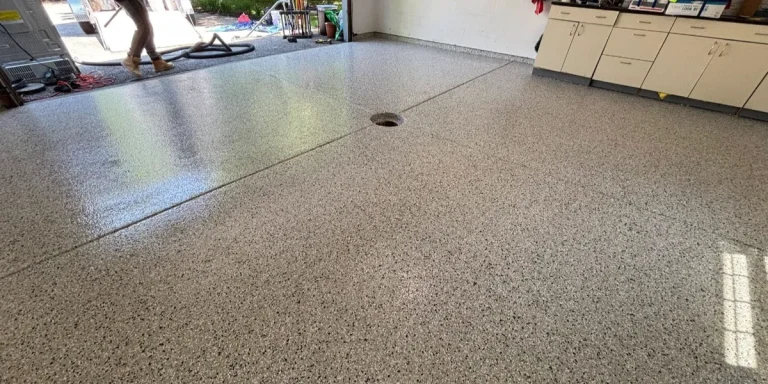
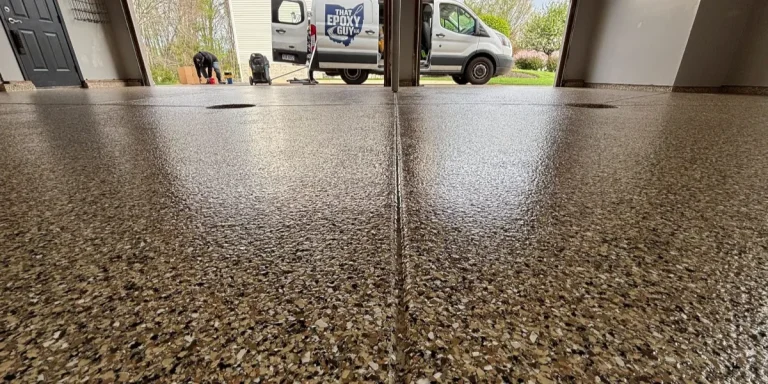
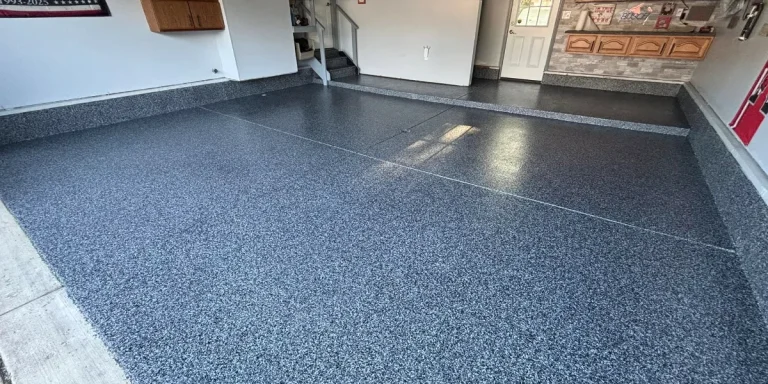
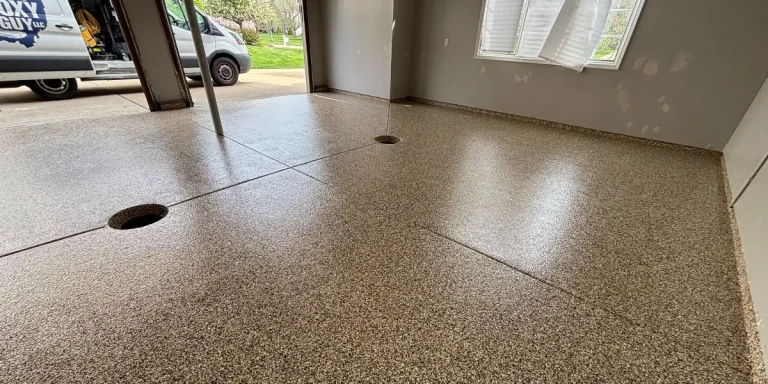
This is especially relevant for garages in Cleveland, Lakewood, Parma, Strongsville, Westlake, and other Northeast Ohio communities where garages are exposed to road salt, slush, oil, and temperature swings. A properly installed flake floor system can be a strong choice for garages because it provides durability, texture, and a finished look that hides minor wear better than a plain surface.
How temperature affects cure times
Temperature has a major impact on how quickly a garage floor coating cures. Warm conditions generally help coatings cure faster, while cold temperatures can slow the process down. The temperature of the concrete itself matters too, not just the air temperature in the garage.
Humidity, airflow, and seasonal conditions can also affect the timeline. In Northeast Ohio, this is important because spring, fall, and winter installations can involve cooler slabs and changing weather. A contractor should take those conditions into account rather than treating every project the same.
This is one of the reasons proper planning matters. At That Epoxy Guy, we don’t look at a garage floor as just a coating job. We look at the concrete condition, moisture exposure, damage, intended use, and cure requirements before recommending a system. That same approach applies whether we are coating a garage, a concrete patio, a pool deck, or a commercial floor.
What happens if you park on the coating too soon?
Parking too soon does not guarantee failure, but it increases the risk of avoidable damage.
Potential problems include:
-
- Tire marks in the coating
- Surface impressions
- Dull or uneven spots
- Reduced gloss in tire contact areas
- Premature wear before the coating reaches full strength
The frustrating part is that these problems can often be prevented by following the recommended cure time. A few extra days of caution is a lot easier than dealing with damage on a brand-new floor.
If your old garage floor already has pitting, spalling, salt damage, or surface defects, cure time becomes even more important because the finished system relies on proper preparation and a stable surface beneath it. The coating is only one part of the project. Grinding, repairs, material selection, and curing all work together.
What about motorcycles, toolboxes, and heavy equipment?
Cars and trucks are not the only things that can affect a new coating. Motorcycles, freezers, cabinets, shelving, snowblowers, lawn equipment, and heavy toolboxes can also create pressure points on a curing floor.
Motorcycle kickstands are a good example. A kickstand concentrates weight into a small area, which can be harder on a fresh coating than people expect. Heavy rolling toolboxes can also create marks if they are moved too early, especially if the wheels are small or hard.
A good rule is to treat heavy items the same way you treat vehicle traffic unless your installer tells you otherwise. Once the floor is ready, you can move items back in, but during the early cure window it is better to be cautious. If you have a workshop-style garage or a commercial space with heavier use, it may be worth discussing a more durable system or finish during the estimate.
How can you maximize the life of your garage floor coating?
The first step is allowing the coating to cure properly. After that, maintenance is simple.
Keep the floor swept so dirt, grit, and road debris do not act like sandpaper under tires and shoes. Clean up oil, chemicals, and road salt rather than letting them sit for long periods. During winter, rinsing or mopping salt residue can help maintain the appearance of the floor and reduce buildup near the garage door.
This is one of the reasons homeowners choose professional coatings in the first place. Bare concrete absorbs stains, creates dust, and is harder to clean. A properly installed coating makes the garage feel cleaner and more finished while helping protect the concrete underneath. For homeowners who want a similar low-maintenance surface in other areas, we also install pool deck coatings, concrete staining and sealing, and residential interior floor coatings.
What does a garage floor coating cost?
Garage floor coating costs depend on the size of the garage, the condition of the concrete, the amount of preparation needed, and the coating system selected.
A clean, sound garage floor generally costs less to coat than a slab with cracks, pitting, oil contamination, moisture issues, or old coatings that need to be removed. Finish choices also affect pricing. A decorative flake system, solid color epoxy, or upgraded topcoat can all change the final project cost.
Homeowners researching budget can review our Concrete Coating Cost Guide to better understand what affects pricing for garages, basements, patios, and other coated concrete surfaces in Northeast Ohio.
When does a garage floor coating make sense?
A garage floor coating makes sense when you want the garage to be cleaner, easier to maintain, and better protected from the conditions that damage bare concrete. In Northeast Ohio, those conditions usually include road salt, moisture, oil, freeze-thaw cycles, and daily vehicle traffic.
It also makes sense when the garage is used for more than parking. Many homeowners use their garage for storage, hobbies, workouts, tools, motorcycles, or home projects. A coated floor makes the space feel more usable and finished.
If your concrete is already cracked, pitted, stained, or worn, an experienced contractor can evaluate the slab and explain whether repairs are needed before coating. The best results come from choosing the right system for the condition of the concrete and how the space will actually be used.
Serving homeowners throughout Northeast Ohio
We install garage floor coatings and concrete coating systems throughout:
We also install basement floor coatings, patio coatings, pool deck coatings, flake floor systems, and commercial concrete coating systems throughout surrounding Northeast Ohio communities.
So, how soon can you park on a new garage floor coating?
You can usually walk on a new garage floor coating before you can park on it, but the exact timeline depends on the coating system, concrete temperature, humidity, and curing conditions. The safest answer is to follow the return-to-service instructions provided by your installer. A floor may look dry before it is ready for hot tires, vehicle weight, turning wheels, or heavy equipment.
If you’re planning a garage floor coating and want clear expectations about installation and cure times, contact That Epoxy Guy for a free estimate. We’ll evaluate your concrete, explain your options, and recommend a coating system that fits your garage, your timeline, and how you use the space.