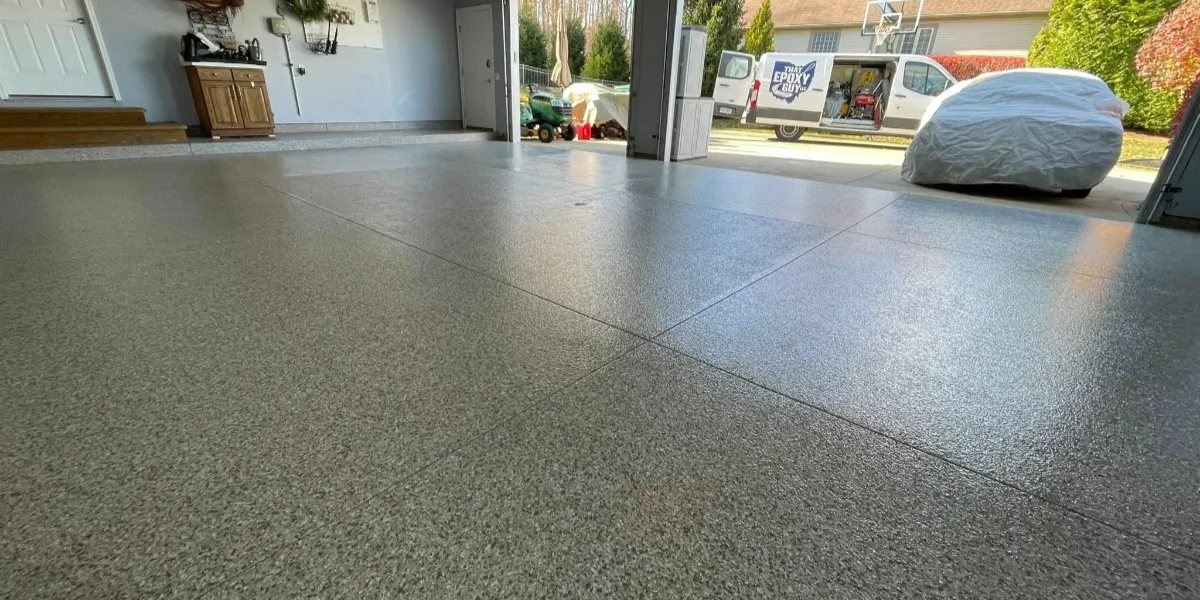
Polyurea vs. Polyaspartic vs. Epoxy
What actually works for concrete floors in Northeast Ohio
If you’ve researched concrete floor coatings, you’ve probably seen bold claims like “polyurea is better than epoxy” or “epoxy always fails.” The reality is more nuanced. The right coating depends on your concrete, moisture conditions, climate, and how the space is used, not marketing slogans.
In Northeast Ohio, where moisture in concrete slabs is common, choosing the wrong system or skipping proper preparation is the fastest way to end up with a failed floor.
Let’s break it down clearly.
The three main coating types, explained simply
There are three main types of coatings companies are using and you'll see and hear these terms frequently.
Epoxy coatings
Epoxy has been used in industrial and commercial settings for decades, and when installed correctly, it remains one of the most reliable concrete coating materials available.
Industrial-grade epoxy offers excellent adhesion, strong chemical resistance, and the ability to block moisture vapor when the right formulation is used. The downside is cure time. Epoxy systems typically take longer to install properly, but that extra time often translates into better long-term performance.
Polyurea coatings
Polyurea cures extremely fast and remains flexible, which makes it attractive for one-day installations. It performs well as a topcoat or wear layer, but when used as a basecoat, it is not moisture blocking. In moisture-prone slabs, this can lead to bubbling or delamination over time.
Polyaspartic coatings
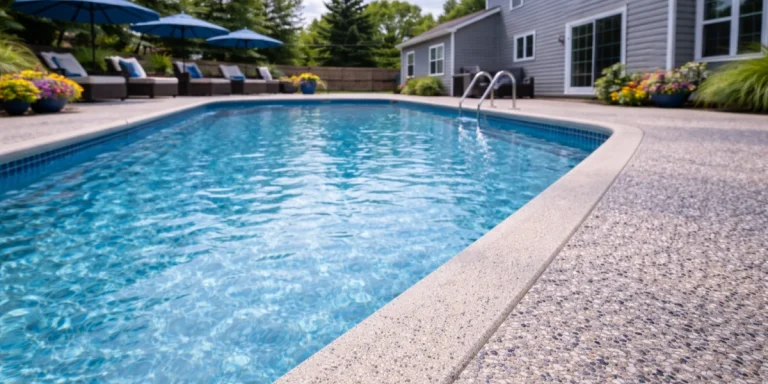
Polyaspartic is a modified form of polyurea. It offers improved UV stability and fast cure times, making it an excellent choice for exterior applications and topcoats. Like polyurea, it performs best when used as part of a system rather than as a standalone solution.
Why moisture in concrete matters in Northeast Ohio
Concrete is porous. Moisture vapor naturally moves up through slabs, especially in garages, basements, and older homes throughout Cleveland and surrounding areas. Seasonal temperature swings, snow melt, and humidity only increase this movement.
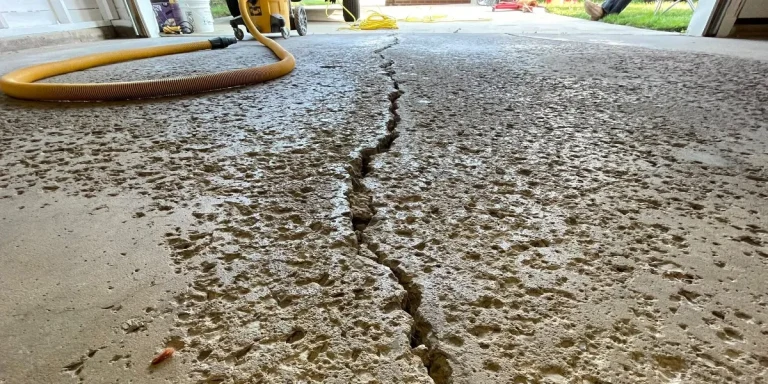
When a coating cannot handle that moisture, it fails from below. Bubbling, peeling, and delamination are almost always moisture-related issues, not “bad products.”
This is why system design matters more than speed.
Why many “epoxy fails” examples are misleading
When you see photos or videos showing failed epoxy floors, they are almost always caused by one of two things.
First, many comparisons use off-the-shelf DIY epoxy kits from big box stores like Home Depot or Lowe’s. These products are designed for weekend projects, not long-term performance. They lack proper solids content, moisture tolerance, and adhesion strength.
Second, poor surface preparation is extremely common. Many DIY and low-cost installations rely on acid etching or pressure washing alone. This does not properly open the concrete pores or remove contamination. Without mechanical grinding, even the best coating will fail.
When industrial-grade epoxy is installed over mechanically prepared concrete, it performs very differently than DIY epoxy kits.
Where Simiron 1150FC changes the equation
At That Epoxy Guy, we use Simiron 1150FC as a basecoat in many of our systems because it is specifically designed for challenging concrete conditions.
Simiron 1150FC is an industrial-grade epoxy with excellent adhesion and moisture-blocking properties. This makes it especially effective in Ohio, where moisture vapor is a daily reality, not a rare occurrence.
The tradeoff is time. A properly installed system using 1150FC takes longer than a one-day installation. But the benefit is a more stable, longer-lasting floor that resists failure from below.
For clients who prioritize speed, we can install faster-curing systems using polyurea or polyaspartic basecoats. For clients who want the best long-term value, durability, and performance, allowing time for the correct epoxy basecoat often delivers a superior result.
Why hybrid systems outperform single-product solutions
No single product is perfect for every situation. That’s why our most durable floors use hybrid systems.
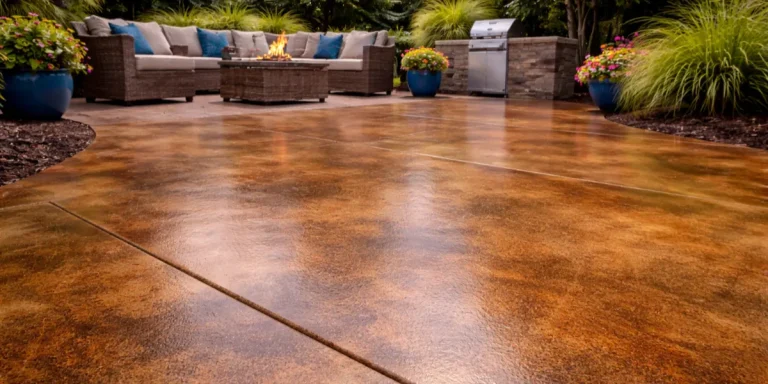
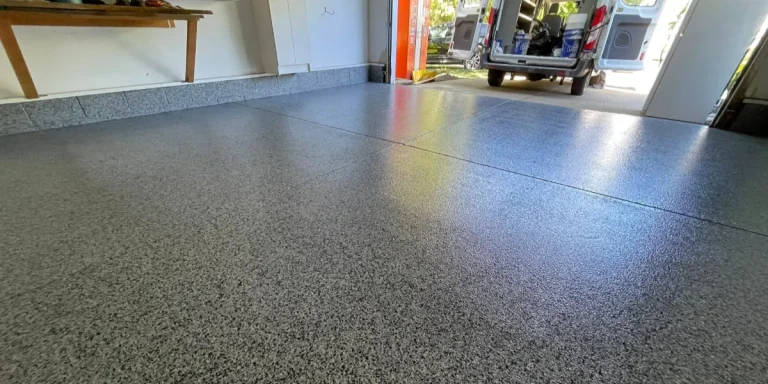
A moisture-tolerant epoxy basecoat provides adhesion and stability. Polyurea or polyaspartic layers add flexibility, UV resistance, and wear protection. Decorative flakes or metallic finishes provide texture, slip resistance, and visual appeal.
This approach allows each material to do what it does best, rather than forcing one product to do everything.
When to choose each coating type
Epoxy-based systems are ideal for garages, basements, and interior spaces where moisture control and long-term adhesion are critical.
Polyurea and polyaspartic coatings work well for exterior spaces, fast turnaround projects, and as topcoats where UV stability and flexibility matter.
The best system depends on how the space is used, the condition of the concrete, and your priorities for durability versus installation speed.
One-day installs vs. long-term performance
One-day installations are appealing, and they have their place. However, speed often limits surface preparation options and material choices.
Multi-day systems allow proper curing, moisture mitigation, and layering, which often results in a longer-lasting floor. The difference is not the product name. It’s the process.
What really determines success
The coating name matters far less than:
-
- Mechanical surface preparation
- Moisture evaluation
- Proper system design
- Installer experience
Skipping any of these steps increases the risk of failure, regardless of the material used.
Serving Cleveland and Northeast Ohio
That Epoxy Guy proudly installs residential and commercial concrete coating systems throughout:
-
- Cleveland, OH
- Willoughby, OH
- Parma, OH
- Lakewood, OH
- Strongsville, OH
- Westlake, OH
- Mentor, OH
- Elyria, OH
- Akron, OH
- Medina, OH
And surrounding Northeast Ohio communities. We design every floor for Ohio conditions, not generic sales claims.
Get a free concrete coating estimate
If you’re considering epoxy, polyurea, or polyaspartic coatings and want honest guidance, we’re here to help. We’ll evaluate your concrete, explain your options clearly, and recommend a system that fits your space and your priorities.
Contact That Epoxy Guy today to schedule a free, no-pressure estimate and get a floor built to last.